

Imagine spending your semester sipping espresso in a Florentine café, debating philosophy in a Parisian salon, or conducting field research in the Amazon rainforest. A semester abroad travel experience transforms education into adventure, broadening horizons in ways no classroom ever could. Yet, for many students, the prospect of planning such a journey feels overwhelming.
In 2025, over 370,000 American students studied abroad, according to the Institute of International Education. Those who embraced the challenge returned with more than credits—they gained confidence, cultural fluency, and memories to last a lifetime. The secret? Meticulous planning and an open mind.
This guide reveals how to navigate every step of your semester abroad travel journey. From selecting the perfect program to budgeting like a pro, you’ll discover how to turn your international dreams into reality. Let’s embark on the adventure of a lifetime.
Why a Semester Abroad Travel Experience Is Worth the Effort
Studying abroad is more than an academic opportunity—it’s a catalyst for personal growth. Research from The University of California shows that students who study abroad develop stronger problem-solving skills, adaptability, and cross-cultural communication abilities. These traits give them a competitive edge in the global job market.
Consider the story of Priya, a biology major from Boston. She spent her junior year in Costa Rica, studying tropical ecology. “Living in the cloud forest and conducting research with local scientists changed my career path,” she says. “I returned with a clearer purpose and a network of international contacts.”
A semester abroad also fosters independence. Navigating a new country—from grocery shopping to public transit—builds resilience. You’ll return home with a broader worldview and stories that set you apart.
Step 1: Choose the Right Program for Your Goals
Not all study abroad programs are created equal. Align your choice with your academic, career, and personal aspirations.
Academic Fit and Credit Transfer
Start by consulting your academic advisor. Ensure your chosen program offers courses that fulfill degree requirements. The University of Sydney, for example, is renowned for marine biology, while Sciences Po in Paris excels in political science.
Look for programs with strong local partnerships. CIEE and IES Abroad offer specialized tracks in everything from business to environmental studies. Verify that credits will transfer seamlessly to avoid setbacks.
Language Immersion vs. English-Taught Programs
If you’re eager to master a language, prioritize immersion programs. Middlebury Schools Abroad in Spain or SIT Study Abroad in Morocco offer rigorous language training. For non-language majors, English-taught programs in Denmark, the Netherlands, or Singapore provide global exposure without the language barrier.
Program Structure: Direct Enroll vs. Third-Party Providers
Direct enrollment in a foreign university offers full cultural integration. You’ll take classes alongside local students, which deepens your experience. However, it requires more independence. Third-party providers like API or CEA offer structured support, including housing, excursions, and on-site staff.
Location Matters: Urban vs. Rural
Your host city shapes your experience. Metropolitan hubs like London, Tokyo, or Berlin offer endless cultural and professional opportunities. Smaller towns like Grenoble, France, or Dunedin, New Zealand, provide a tighter-knit community and lower costs. Consider what environment will help you thrive.
Specialized Programs for Unique Interests
For niche interests, seek specialized programs. SIT offers field-based programs in climate change and social justice. Sea|mester combines sailing with marine biology studies in the Caribbean. The School for Field Studies focuses on environmental research in places like Tanzania or Australia.
Step 2: Navigate the Logistics Like a Pro
Once you’ve chosen a program, tackle the practical details. Proactive planning prevents last-minute stress.
Passport and Visa Requirements
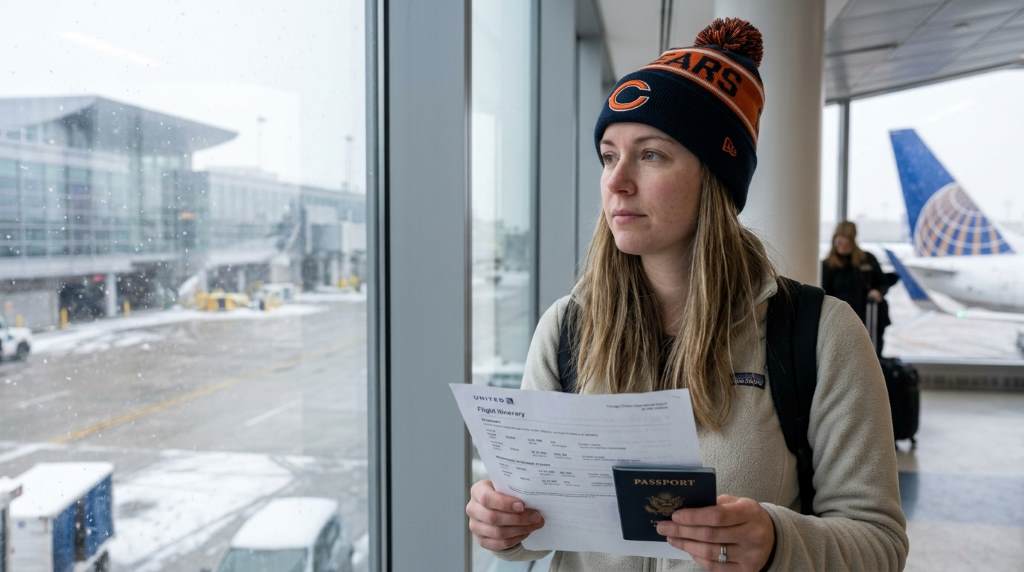
Ensure your passport is valid for at least six months beyond your return date. Research visa requirements early—some countries require in-person interviews or lengthy processing times. For example, China and Russia have strict visa policies, while Ireland and New Zealand offer streamlined student visas.
Flights and Travel Insurance
Book flights 3-4 months in advance for the best prices. Use Google Flights or Skyscanner to track deals. Purchase comprehensive travel insurance that covers medical emergencies, trip cancellations, and lost luggage. World Nomads and Allianz offer plans tailored to study abroad students.
Housing: Homestays vs. Dorms vs. Apartments
Housing options vary by program. Homestays provide cultural immersion and home-cooked meals but require adaptability. University dorms offer independence and social opportunities. Apartments provide privacy but may lack local interaction. Weigh the pros and cons based on your comfort level.
Budgeting for Daily Life
Create a realistic budget that includes:
- Tuition and program fees
- Housing and utilities
- Food and groceries
- Local transportation
- Travel and excursions
- Emergency funds
Use apps like Mint or You Need a Budget to track expenses. Research the cost of living in your host city. Numbeo provides up-to-date comparisons for everything from rent to coffee prices.
Health and Safety Preparations
Visit a travel clinic 2-3 months before departure for required vaccinations. Pack a basic first-aid kit and any prescription medications in their original containers. Register with the STEP Program (for U.S. citizens) to receive safety alerts from the nearest embassy.
Step 3: Maximize Your Semester Abroad Travel Experience
Your time abroad is what you make of it. Use these strategies to deepen your immersion and create lasting memories.
Embrace Cultural Differences
Cultural adjustment is inevitable. Approach differences with curiosity, not judgment. Learn local customs, from tipping practices to greetings. In Japan, remove your shoes before entering homes. In Argentina, expect late-night dinners and lively conversations.
Travel Smart and Often
Your host country is your classroom. Use weekends and breaks to explore nearby regions. Budget airlines like Ryanair in Europe or AirAsia in Southeast Asia make travel affordable. Prioritize experiences over souvenirs—hike the Camino de Santiago, explore Morocco’s medinas, or island-hop in Greece.
Build Local and Global Networks
Forming relationships enhances your experience. Join local clubs, attend university events, or volunteer. Language exchange partners help improve fluency while making friends. Platforms like Meetup or Couchsurfing connect you with locals and fellow travelers.
Document Your Journey
Keep a journal, blog, or vlog to capture your experiences. Reflecting on your adventures deepens your appreciation and creates a lasting record. Share your stories with friends and family to stay connected and inspire others.
Balance Academics and Exploration
Remember, you’re there to study. Attend classes, complete assignments, and engage with professors. Many programs offer field trips or internships that blend academics with real-world experience. In Florence, art history students visit the Uffizi Gallery. In Cape Town, environmental studies majors conduct research in Table Mountain National Park.

Step 4: Overcome Common Challenges
Even the best-laid plans encounter obstacles. Prepare for these common challenges to stay resilient.
Homesickness and Culture Shock
Feeling homesick is normal. Stay connected with loved ones through video calls, but avoid excessive contact. Establish a routine in your new home—find a favorite café, join a gym, or cook familiar meals. Give yourself time to adjust.
Language Barriers
If you’re not fluent, use translation apps like Google Translate or DeepL. Learn key phrases to navigate daily life. Locals appreciate the effort, even if you make mistakes. Language classes or tandem partners accelerate fluency.
Academic Differences
Teaching styles and expectations vary globally. Some countries emphasize group work, while others focus on independent research. Communicate with professors early if you’re struggling. Use university resources like writing centers or tutors.
Financial Strain
Stick to your budget but allow for spontaneity. Cook meals at home, use student discounts, and prioritize free activities like museum days or hiking. If funds run low, consider part-time work if your visa allows. Australia and New Zealand offer student work permits.
Safety Concerns
Research local safety norms. Avoid risky areas, especially at night. Use common sense—don’t flash valuables or walk alone in unfamiliar places. Trust your instincts and stay aware of your surroundings.
Real-Life Reviews: Students Share Their Semester Abroad Travel Stories
The Art History Major Who Found Inspiration in Florence
“Studying Renaissance art in the city where it was created was surreal,” says Emily. “I spent weekends sketching in the Boboli Gardens and traveling to Rome and Venice. My professors took us on field trips to churches and museums I’d only read about. It changed how I see the world.”
The Engineering Student Who Interned in Germany
James combined study and work in Munich. “I took classes at the technical university and interned at a BMW plant,” he explains. “The hands-on experience boosted my resume, and I made friends from all over Europe. We traveled to Prague, Vienna, and the Alps together.”
The Environmental Science Major Who Studied in Costa Rica
Sophia’s program included fieldwork in Monteverde Cloud Forest. “We studied biodiversity during the day and stayed with local families at night,” she recalls. “I improved my Spanish, learned about sustainable farming, and even spotted a quetzal bird. It was the most rewarding semester of my life.”
7 FAQs About Planning a Semester Abroad Travel Experience
1. How do I choose the best program for my major?
Start with your university’s study abroad office. They can recommend programs that align with your academic goals. Research program reviews on GoOverseas or GoAbroad. Look for courses that fulfill degree requirements and offer hands-on learning opportunities.
2. Can I afford a semester abroad?
Yes! Many students use a combination of savings, scholarships, and financial aid. The Gilman Scholarship and Fund for Education Abroad offer grants for underrepresented students. Some programs cost the same as your home university’s tuition. Budget carefully and prioritize experiences over material spending.
3. How do I handle visas and legal requirements?
Your program provider or university will guide you through the visa process. Start early, as some countries require extensive documentation. Schedule an appointment at the nearest consulate if an in-person interview is needed. Keep copies of all documents in case of emergencies.
4. What if I don’t speak the local language?
Many programs offer courses in English, especially in Europe and Asia. Take a language class before you go or use apps like Duolingo or Babbel. Locals appreciate even basic phrases. Immersion is the best way to learn—don’t be afraid to practice!
5. How can I stay safe while traveling?
Research your destination’s safety norms and register with your embassy. Avoid risky areas and situations. Use common sense—don’t walk alone at night or leave drinks unattended. Stay connected with your program’s on-site staff and follow their advice.
6. Will a semester abroad delay my graduation?
Not if you plan carefully. Work with your academic advisor to ensure credits transfer. Some students take summer classes or extra credits before or after their trip to stay on track. A semester abroad can even accelerate your career by providing unique experiences and skills.
7. How do I make the most of my time abroad?
Say “yes” to new experiences. Travel as much as your budget allows. Engage with locals and fellow students. Keep a journal to reflect on your growth. Balance exploration with academics—your classes are part of the adventure. Most importantly, stay open-minded and embrace the unexpected.
Related Topics:
Conclusion: Your Global Adventure Starts Now
A semester abroad travel experience is more than a line on your resume—it’s a transformative journey that shapes your future. From navigating new cultures to building lifelong friendships, the lessons you learn extend far beyond the classroom. The world is your campus, and the opportunities are endless.
Remember, the key to a successful semester abroad lies in preparation and openness. Research your options, plan meticulously, and embrace every challenge as a chance to grow. The memories, skills, and perspectives you gain will stay with you long after you return home.
Your adventure begins with a single step. Start planning your semester abroad travel experience today and prepare for the journey of a lifetime.


Leave a Reply