
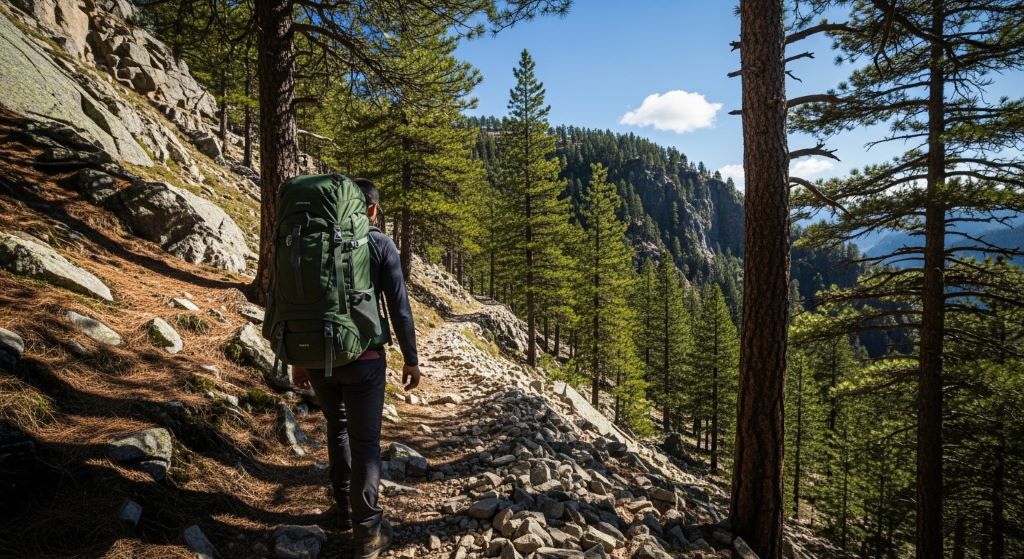
Trekking is one of the most rewarding outdoor activities you can do. It connects you with nature, challenges your body, and clears your mind. However, getting started can feel expensive. One of the biggest costs is a good backpack. The good news is that you do not have to spend a fortune to find one that works well.
Choosing a cheap backpack for trekking does not mean settling for poor quality. It means being smart about what you buy. With a little research and the right knowledge, you can find a pack that fits your body, holds your gear, and lasts through many adventures. This guide will walk you through everything you need to know.
Why the Right Backpack Makes All the Difference
A backpack is more than just a bag. On a trek, it becomes your home away from home. Everything you need — food, water, clothes, shelter, and safety gear — lives inside it. Therefore, choosing the wrong one can ruin an otherwise great trip.
An ill-fitting backpack causes back pain and fatigue. A poorly made one can tear on the trail. Additionally, a badly designed pack makes it hard to find what you need quickly. On the other hand, the right backpack feels comfortable, stays organized, and holds up through tough conditions.
You do not need to buy the most expensive model on the market to get these benefits. Many affordable backpacks offer excellent performance. The key is knowing what features to look for.
Setting Your Budget Before You Shop
Before you start looking at backpacks, decide how much you want to spend. Having a clear number in mind helps you filter your options quickly. It also stops you from being tempted by packs that are far outside your range.
For most beginner to intermediate trekkers, a budget of $40 to $100 is very reasonable. In this price range, you can find backpacks that are comfortable, well-built, and loaded with useful features. Therefore, you do not need to feel limited by a modest trekking gear budget. Many of the best trail-tested backpacks fall right in this sweet spot.
If you are just starting out, it makes even more sense to start affordable. You may discover that trekking is not for you, or that your needs change as you gain experience. Starting with a budget-friendly pack gives you flexibility for later upgrades.
Understanding Backpack Sizes and Capacities
Backpack size is measured in liters. This tells you how much the bag can hold. Choosing the right size depends on the length and type of your trek.
For day hikes and short treks, a pack between 20 and 35 liters works well. It holds water, snacks, a rain jacket, and basic supplies. Additionally, these smaller packs are lighter and easier to carry on steep terrain.
For multi-day treks, you will need something larger. Packs between 40 and 65 liters are common for overnight and extended trips. They have enough room for a sleeping bag, tent, clothing, food, and cooking supplies. However, remember that a bigger pack is only useful if it fits your body correctly.
Avoid buying the largest pack you can find just because it seems practical. A pack that is too big often leads to overpacking, which causes unnecessary strain on your back and knees.
Key Features to Look For in an Affordable Trekking Backpack
Suspension and Back Support
The suspension system is what connects the backpack to your body. It includes the shoulder straps, hip belt, and back panel. A good suspension system distributes weight evenly across your hips and shoulders. This reduces fatigue and prevents injury.
Even budget packs can have decent suspension systems. Look for padded shoulder straps and a hip belt that wraps around your waist. The hip belt should carry most of the weight, not your shoulders. Furthermore, a ventilated back panel keeps air flowing and reduces sweat on long hauls.
Material and Build Quality
The material of a backpack determines how long it will last. Most affordable backpacks use nylon or polyester. Nylon tends to be stronger and more water resistant, while polyester is lighter and often cheaper.
Look for a pack with reinforced stitching at stress points. Check the zippers too. Cheap zippers break easily and can leave you stranded on a trail. YKK zippers are a reliable standard found even on budget-friendly packs. Additionally, look for a water-resistant coating or a built-in rain cover for wet weather conditions.
Compartments and Organization
Good organization saves time and reduces frustration on the trail. Look for a pack with multiple compartments. A main compartment for large items, a top lid pocket for quick-access essentials, and side pockets for water bottles are all important.
Hip belt pockets are a great bonus. They let you reach snacks or a phone without removing your pack. Therefore, pay attention to the layout of each compartment before you buy. A well-organized backpack that costs $60 can outperform a poorly designed one that costs twice as much.
Fit and Adjustability
No two bodies are the same. A backpack that fits perfectly on one person may feel awful on another. Therefore, fit is one of the most important things to consider. Many affordable backpacks come in multiple sizes — small, medium, and large — to match different torso lengths.
Adjustable straps are essential. The shoulder straps, chest strap, and hip belt should all be easy to tighten or loosen. When you put the pack on, the hip belt should rest on your hip bones, and the shoulder straps should follow the curve of your shoulders without gaps.
If possible, try the pack on in a store before buying. If shopping online, read the sizing guide carefully and check return policies before placing your order.
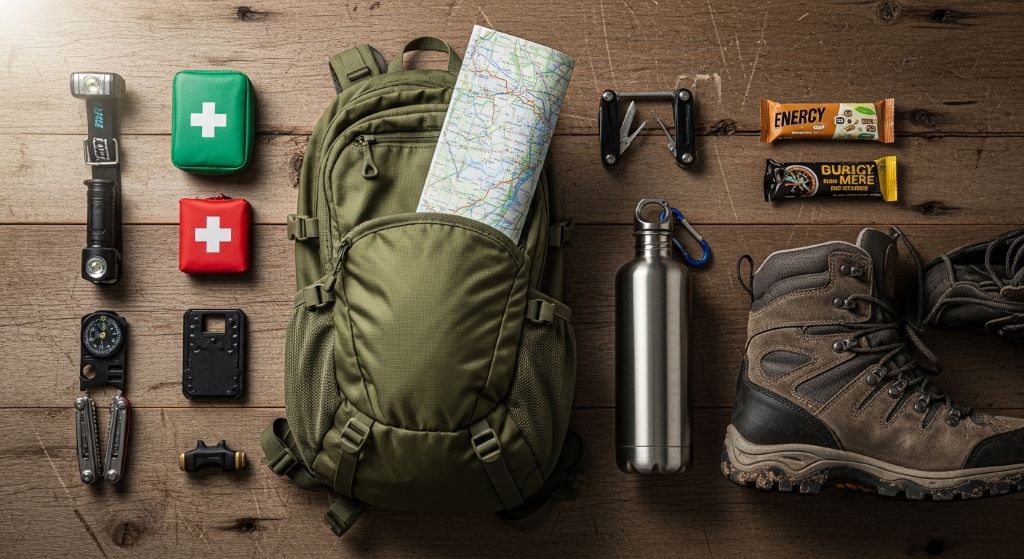
Where to Find Durable Backpacks at Low Prices
You do not have to pay full retail price to get a quality pack. There are several smart ways to find durable backpacks at affordable prices.
Online retailers like Amazon, REI, and Backcountry often run sales on outdoor gear. Additionally, end-of-season clearance events are perfect for finding last year’s models at deep discounts. The gear itself is just as good, but the price drops significantly.
Outdoor gear secondhand shops and platforms like eBay or Facebook Marketplace are also worth exploring. Many trekkers sell lightly used gear in excellent condition. However, when buying used, inspect the zippers, straps, and seams carefully before purchasing.
Discount outdoor retailers like Decathlon offer their own house brands at very competitive prices. These packs are often designed by experienced outdoor professionals and tested for real-world use. They offer impressive value for the price.
Common Mistakes to Avoid When Buying a Budget Backpack
Many first-time buyers make a few common mistakes. Knowing them ahead of time can save you both money and discomfort.
One of the most common errors is choosing style over function. A backpack may look great in photos, but if the straps are thin and the material is flimsy, it will fail you on the trail. Always prioritize comfort and durability over appearance.
Another mistake is ignoring weight. Some cheap backpacks are surprisingly heavy even when empty. On a long trek, every gram matters. Therefore, check the empty weight of any pack before you buy it.
Skipping the fit check is also a problem. Many buyers order the first pack they find without considering their torso length or body type. This leads to discomfort, poor weight distribution, and potential injury. Take the time to measure yourself properly.
Finally, overlooking warranty and return policies is a mistake. Even affordable brands sometimes offer warranties. A company that stands behind its product gives you extra confidence in your purchase.
Tips for Making Your Budget Backpack Last Longer
Once you find the right pack, take care of it. A little maintenance goes a long way in extending the life of any backpack.
Follow these simple tips to keep your pack in great shape:
- Clean it regularly with mild soap and warm water. Avoid harsh chemicals that break down fabric and coatings.
- Store it in a cool, dry place away from direct sunlight. UV rays degrade fabric over time.
- Apply a DWR (Durable Water Repellent) spray once or twice a year to maintain water resistance.
- Check zippers and straps before every trip. Small problems caught early are much easier to fix.
- Never overload your pack beyond its rated capacity. Doing so stresses seams and zippers unnecessarily.
These simple habits can double the lifespan of even a budget-friendly backpack. Therefore, a little care means you will not have to replace it as often, saving you money in the long run.
How to Test a Backpack Before You Head Out
Before any major trek, always do a test walk with your new backpack. Load it with the weight you plan to carry. Then walk around for at least 30 minutes. This helps you identify pressure points, uncomfortable straps, or balance issues before you are miles from the trailhead.
Adjust the straps as you walk. Fine-tuning the fit makes a big difference. Additionally, test how easy it is to access each compartment. You should be able to reach your water bottle, snacks, and rain cover without removing the pack.
If something feels off during your test walk, address it before your trip. You may need to adjust the hip belt, add extra padding, or repack your gear for better weight distribution.
Conclusion
Choosing a cheap backpack for trekking adventures is entirely possible without compromising on quality or comfort. The key is to understand your needs, set a realistic budget, and know what features matter most. Focus on fit, material quality, suspension support, and organization. These four things will serve you far better than any brand name or high price tag.
Remember that a smart trekking gear budget leaves room for other essential items like footwear, clothing, and navigation tools. Finding durable backpacks at an affordable price frees up that budget. Take your time comparing options, read reviews from real trekkers, and always test your pack before hitting the trail.
With the right backpack on your back, every trail becomes more enjoyable. Adventure is waiting, and now you are ready to carry it comfortably.
Frequently Asked Questions
How much should I spend on a trekking backpack as a beginner?
For beginners, spending between $40 and $100 is a great starting point. In this range, you can find packs with solid build quality, comfortable suspension systems, and enough storage for most types of treks. As your experience grows, you can invest in something more specialized.
What size backpack do I need for a weekend trek?
For a two to three day weekend trek, a pack between 40 and 55 liters is usually ideal. This gives you enough room for clothing, food, a sleeping bag, and basic shelter without forcing you to overpack. Always match the size to your specific gear list.
Are cheap backpacks really durable enough for tough trails?
Yes, many affordable backpacks perform excellently on tough trails. Look for reinforced stitching, quality zippers, and water-resistant materials. Reading user reviews from actual trekkers is the best way to gauge real-world durability before you buy.
Can I use a school backpack for trekking?
A school backpack is fine for short day hikes on easy terrain. However, it is not designed for extended trekking. It lacks proper hip belt support, weight distribution, and weather resistance. For anything longer than a few hours, a purpose-built trekking pack is a much better choice.
How do I know if a backpack fits me correctly?
A well-fitting backpack should rest most of its weight on your hips, not your shoulders. The hip belt should sit on your hip bones, and the shoulder straps should follow the contour of your shoulders without lifting away from your body. The top of the pack should not extend more than a few inches above your head.
Related Topics:
How to Plan Travel During Academic Breaks: A Student’s Guide to Stress-Free Adventures
How to Choose Large Travel Tote Bags for Extra Storage Needs


Leave a Reply