
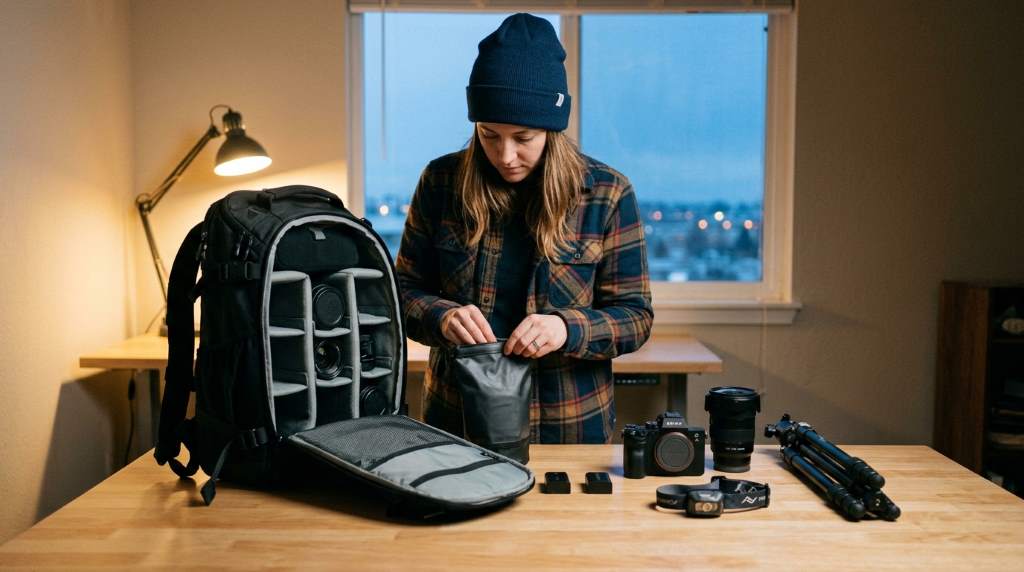
Golden hour remains the favorite shooting time for many landscape photographers because soft morning light improves colors and reduces harsh shadows. Research also shows that many experienced outdoor photographers begin hiking at least one hour before sunrise for the best compositions. Planning ahead matters, just as travelers organize Haleakala sunrise reservations before visiting famous viewpoints. Likewise, Denver, CO photographers rely on careful preparation to capture unforgettable mountain scenes safely and efficiently.
Understand the Route Before Leaving Home
Successful dawn hikes always begin with careful research instead of last minute decisions. Therefore, photographers study trail maps, elevation changes, and weather forecasts before packing gear. Many also review guides about northern Scandinavian tundra because preparation habits transfer well between different outdoor environments.
Offline trail maps offer valuable backup when mobile service disappears in mountain areas. Furthermore, downloaded navigation apps reduce unnecessary delays before sunrise. Every saved minute increases the chance of reaching the perfect viewpoint on time.
Create a Simple Hiking Plan
- Confirm trail difficulty.
- Check sunrise time.
- Review weather forecasts.
- Share your hiking route.
- Estimate return time.
Pack Camera Equipment With Purpose
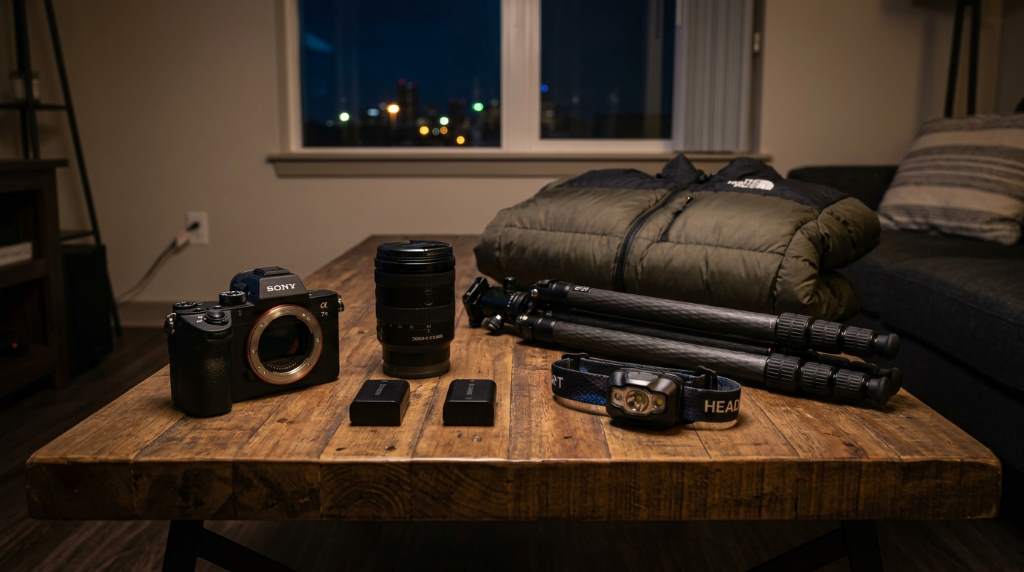
Every piece of equipment should support the day’s shooting goals instead of adding unnecessary weight. Consequently, experienced photographers build lightweight camera kits that improve comfort throughout long climbs. Reading outdoor planning resources like volcanic rock climbing routes also highlights the importance of balancing gear with mobility.
A reliable backpack protects expensive equipment while distributing weight evenly across the shoulders. Additionally, waterproof compartments keep lenses and batteries safe during changing mountain conditions. Organized storage also speeds up lens changes before the light disappears.
Essential Camera Gear
- Mirrorless or DSLR camera.
- Wide angle lens.
- Telephoto lens.
- Extra batteries.
- Large memory cards.
- Lens cleaning cloth.
- Compact tripod.
- Remote shutter release.
Dress for Mountain Weather Changes
Morning temperatures often feel much colder than afternoon conditions near Denver hiking trails. Therefore, photographers wear multiple clothing layers that adjust easily throughout the hike. Some outdoor travel guides, including visit Atlanta safari park, also remind travelers that weather readiness improves every outdoor experience.
Moisture wicking base layers keep the body comfortable during steep climbs toward scenic overlooks. Meanwhile, lightweight jackets provide welcome warmth while waiting quietly for sunrise. Waterproof footwear also helps maintain stable footing across damp rocks.
Helpful Clothing Checklist
- Insulated jacket.
- Warm gloves.
- Beanie or cap.
- Moisture wicking shirt.
- Comfortable hiking pants.
- Waterproof hiking boots.
Arrive Early for Better Compositions
Outstanding sunrise photographs rarely happen when photographers arrive exactly at sunrise. Instead, reaching the location early allows time for scouting foregrounds and testing compositions. Calm preparation also reduces stress before changing light conditions begin.
Early arrival creates opportunities to observe cloud movement and mountain silhouettes before shooting starts. Moreover, photographers can adjust tripod placement without rushing between locations. Small adjustments often create dramatic improvements in image quality.
Prepare Camera Settings Before Sunrise
Dark conditions make camera adjustments slower after reaching the final viewpoint. Therefore, experienced photographers prepare exposure settings before the brightest colors appear across the horizon. This habit saves valuable seconds during changing light.
Manual mode gives greater control over exposure in difficult lighting situations. Likewise, shooting RAW files preserves additional detail for future editing. Consistent settings also simplify post processing later.
Recommended Starting Settings
- ISO between 100 and 400.
- Aperture around f8 to f11.
- Use manual focus when needed.
- Enable image stabilization if handheld.
Carry Safety Essentials Every Time
Beautiful photographs never justify unnecessary risks during early morning adventures. Consequently, safety equipment belongs inside every hiking backpack regardless of trail familiarity. Responsible planning protects both photographers and companions.
A fully charged flashlight remains essential because most hiking begins before daylight appears. In addition, emergency snacks and extra water support longer outings if conditions change unexpectedly. Portable power banks also keep communication devices available.
Safety Essentials
- Headlamp.
- First aid kit.
- Water bottles.
- Energy snacks.
- Emergency whistle.
- Portable charger.
Watch the Weather Carefully
Mountain weather changes rapidly even during clear summer mornings around Denver. Therefore, photographers check forecasts several times before leaving home. Flexible plans reduce disappointment when storms develop unexpectedly.
Wind speed affects tripod stability and overall image sharpness during sunrise sessions. Likewise, cloud coverage determines whether dramatic colors appear across the sky. Understanding these conditions improves planning decisions every season.
Respect Nature While Photographing
Outdoor photography succeeds when beautiful landscapes remain protected for future visitors. Consequently, photographers stay on marked trails whenever possible and avoid disturbing wildlife. Respectful behavior preserves fragile mountain ecosystems.
Leaving every location cleaner than you found it demonstrates responsible outdoor ethics. Furthermore, quiet movement creates better wildlife photography opportunities throughout the morning. Positive habits also inspire others to protect natural spaces.
Improve Results After Every Hike
Each sunrise session provides valuable lessons that strengthen future photography adventures. Therefore, reviewing successful images and missed opportunities encourages steady improvement. Personal notes also simplify planning for seasonal return visits.
Editing photographs carefully highlights the natural beauty captured during early morning hikes. Meanwhile, organizing image files with descriptive names saves time during future projects. Consistent workflows support long term creative growth.
Conclusion
Preparing for dawn hikes requires thoughtful planning, dependable equipment, and a strong focus on safety. Every successful sunrise session begins long before the first light reaches the mountains. By following these practical strategies, photographers increase both confidence and image quality. Start preparing today, explore Denver’s beautiful trails responsibly, and capture breathtaking sunrise photographs on your next adventure.
Frequently Asked Questions
How early should photographers begin a dawn hike?
Most photographers start hiking at least one hour before sunrise.
What lens works best for sunrise landscapes?
A wide angle lens captures expansive mountain scenes effectively.
Should photographers carry a tripod?
Yes, a sturdy tripod improves stability during low light photography.
Why are extra batteries important?
Cold morning temperatures can reduce battery performance faster.
Is weather forecasting necessary before hiking?
Yes, checking forecasts improves safety and increases photography success.


Leave a Reply