


Traveling with medications can feel confusing. Different countries have different rules. Airlines also have their own policies. However, understanding the basic guidelines makes packing much easier. This article explains everything you need to know about traveling with your medications safely and legally.
Understanding TSA Liquid Rules for Medications
The Transportation Security Administration has specific rules for liquids. Most travelers know about the 3-1-1 rule for carry-on bags. This rule limits liquids to 3.4 ounces or 100 milliliters per container. All containers must fit in one quart-sized bag.
However, medications are exempt from this rule. You can bring medically necessary liquids in reasonable quantities. This includes prescription medicines, over-the-counter drugs, and liquid vitamins. Additionally, you do not need to place them in a plastic bag.
The TSA recommends separating your medications from other items. Place them in a clear bag for faster screening. This step helps security officers identify them quickly. Therefore, the inspection process moves more smoothly.
Prescription Medication Requirements
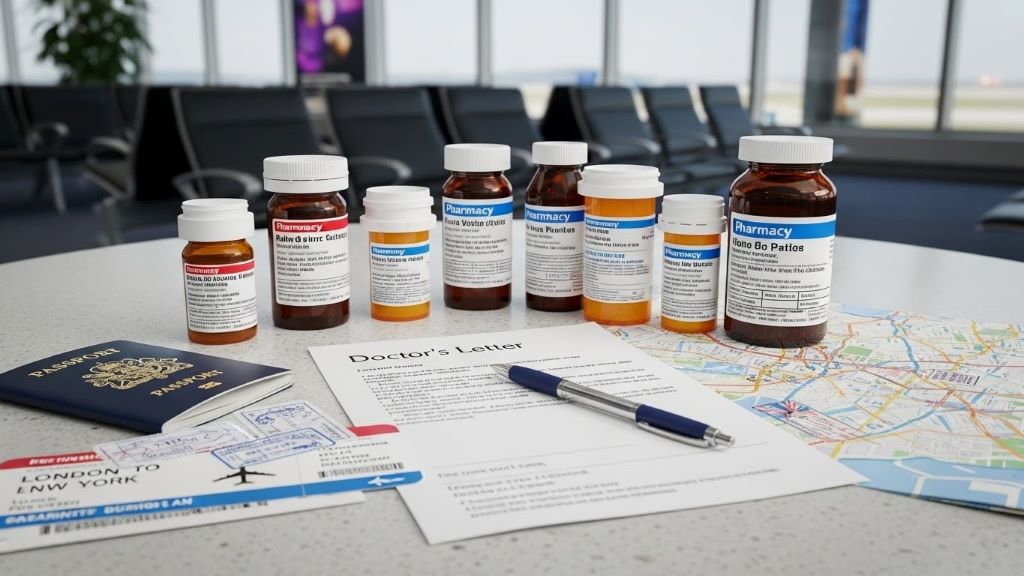
Prescription medications require special attention when traveling. Keep all medicines in their original containers whenever possible. The label should show your name, the prescribing doctor, and the pharmacy information. This documentation proves the medication belongs to you.
Furthermore, bring a copy of your prescription or a letter from your doctor. This document should list all medications you are taking. Include the generic names because brand names vary by country. The letter becomes especially important for controlled substances.
Controlled substances face stricter regulations. These include medications for pain, anxiety, and attention disorders. Some countries ban certain controlled substances entirely. Consequently, research your destination’s rules before traveling. The embassy website provides this information.
Carrying Medications in Your Luggage
Always pack essential medications in your carry-on bag. Never put critical medicines in checked luggage. Bags sometimes get lost or delayed. Additionally, cargo holds can reach extreme temperatures that damage medications.
Bring enough medication for your entire trip plus extra days. Most experts recommend packing 50 percent more than you think you need. Unexpected delays happen frequently during travel. Therefore, having extra medication prevents emergencies.
Keep medications in their original packaging during your trip. Remove them only when taking doses. This practice prevents confusion about which pill is which. Moreover, it shows customs officials that your medications are legitimate.
International Travel Considerations
International travel adds complexity to medication rules. Each country has different regulations about which drugs are legal. Some nations strictly control medications that are common elsewhere. For example, certain sleep aids legal in America are banned in Japan.
Research destination country rules several weeks before traveling. The U.S. State Department website offers country-specific information. Additionally, contact the embassy of the country you are visiting. They can confirm whether your medications are allowed.
Some countries require advance permission for certain medications. Apply for these permits well before your departure date. The approval process can take several weeks. Consequently, last-minute applications may not get processed in time.
Traveling through multiple countries requires checking rules for each location. Transit passengers sometimes need to follow the same rules as visitors. Therefore, research requirements for every country on your itinerary.
Packing Liquid Medications Properly
Liquid medications need careful packing to prevent spills. Place bottles in sealed plastic bags as an extra precaution. This step protects your other belongings if containers leak during the flight.
Consider the climate at your destination. Extreme heat can degrade certain medications. Insulin and some antibiotics need cool storage. However, freezing also damages many medicines. Pack temperature-sensitive medications in insulated bags with ice packs if necessary.
Bring syringes and needles only if medically necessary. These items require a prescription label or doctor’s letter. The documentation should explain why you need them. Additionally, keep sharp objects in their original packaging when possible.
Over-the-Counter Medication Guidelines
Over-the-counter medications follow similar rules to prescription drugs. You can bring reasonable quantities for personal use. However, large amounts may raise questions at customs. Officials might think you plan to sell them.
Common medications like pain relievers and cold medicine are usually acceptable. Nevertheless, some countries restrict ingredients found in over-the-counter drugs. Pseudoephedrine, a decongestant, faces restrictions in many places. Similarly, codeine-containing cough syrups have limitations in numerous countries.
Check ingredient lists carefully before traveling internationally. Medications with the same brand name contain different ingredients in different countries. Therefore, always verify the active ingredients match what you need.
Medical Devices and Equipment
Medical devices like nebulizers and CPAP machines are allowed on planes. These items do not count toward your carry-on luggage limit. However, inform the airline about large medical equipment when booking your flight.
Bring power adapters appropriate for your destination country. Electrical outlets vary worldwide. Additionally, check the voltage requirements of your devices. Some equipment needs voltage converters to work safely abroad.
According to the TSA guidelines, documentation for medical devices speeds up security screening. Bring a letter from your doctor explaining why you need the equipment. This documentation helps especially with items that have batteries or electrical components.
Documentation and Prescriptions
Proper documentation prevents problems at security checkpoints and customs. Bring original prescription bottles whenever possible. If your medication comes in a large bottle, ask your pharmacist about travel-sized containers with proper labels.
Create a medication list including generic and brand names. Add dosages and frequency of administration. Keep this list separate from your medications. Therefore, if medicines get lost, you have the information needed to get replacements.
Take photos of all prescription labels. Store these images in your phone and email them to yourself. This backup ensures you have medication information even if bottles get damaged or lost.
Special Considerations for Children
Children traveling with medication need additional documentation. Both parents should sign a letter authorizing the child to travel with medications. Single parents should bring documentation showing custody arrangements.
Liquid medications for infants and small children are exempt from size restrictions. Baby formula, breast milk, and juice are allowed in reasonable quantities. However, these items undergo additional screening at security checkpoints.
Pack children’s medications in their original containers. Include a letter from the pediatrician listing all medications and conditions. This documentation becomes crucial if medical emergencies occur during travel.
What to Do If Problems Arise
Sometimes security officers question medications despite proper documentation. Remain calm and polite during these situations. Explain that your medications are medically necessary. Offer to show your doctor’s letter or prescription information.
If medications get confiscated, ask for a supervisor immediately. Document the officer’s name and badge number. Additionally, request written documentation explaining why items were taken. This information helps when filing complaints or insurance claims.
Contact your doctor if medications get lost or confiscated. Many physicians can call in emergency prescriptions to pharmacies at your destination. However, this option works better in countries with similar healthcare systems. International travel health resources from the CDC provide guidance for medical emergencies abroad.
Conclusion
Traveling with medications requires planning and proper documentation. Keep medicines in original containers with clear labels. Bring copies of prescriptions and doctor’s letters explaining your medical needs. Research destination country rules well before departure. Pack essential medications in carry-on luggage with extras for delays. Follow these guidelines to ensure smooth travels with your necessary medications.
Frequently Asked Questions
Can I bring vitamins and supplements on a plane?
Yes, vitamins and supplements are allowed in both carry-on and checked luggage. Liquid vitamins follow the same exemption rules as liquid medications. You can bring reasonable quantities for personal use without needing prescriptions.
Do I need a doctor’s note for prescription medications?
While not always required domestically, a doctor’s note is highly recommended for all travel. International destinations often require documentation for prescription medications, especially controlled substances. The letter should list all medications with generic names.
Can I pack someone else’s medication in my bag?
No, you should only carry medications prescribed to you. Each traveler must carry their own medications in properly labeled containers. Carrying someone else’s prescription drugs can lead to legal problems at security or customs.
What happens if my medication is not allowed in my destination country?
If your medication is banned or restricted, contact your doctor before traveling. They may prescribe alternative medications that are legal in your destination. Some countries allow restricted medications with advance approval through their embassy.
How much medication can I bring on international flights?
You can bring enough medication for your trip plus extra for unexpected delays. Generally, a 90-day supply is reasonable for personal use. Larger quantities may require additional documentation or be subject to customs duties.
Related Topics:
Best Digital Travel Companions: Top Travel Journal Apps for Solo Travelers
Essential Documents to Carry for Schengen Travel: Your Ultimate Guide