

Picture this: It’s the last day of finals week, and while your friends are packing for spring break, you’re still buried under textbooks and deadlines. The idea of travel during school break feels like a distant dream—until you realize that with the right planning, you can escape the library and explore the world without sacrificing your grades or your sanity.
Here’s the reality: 85% of college students want to travel during academic breaks, but only 30% actually do, according to a 2025 survey by the Student Travel Association. The biggest barriers? Cost, time constraints, and the fear of falling behind. Yet, those who do travel return with renewed energy, broader perspectives, and even better academic performance.
This guide isn’t about skipping responsibilities—it’s about smart planning. You’ll learn how to maximize your break time, save money, and travel without the stress. From budget-friendly destinations to productivity hacks for pre-trip prep, these student travel tips will help you turn your academic breaks into unforgettable adventures.
Whether you’re dreaming of a weekend road trip or an international escape, this guide will show you how to plan travel during school break like a pro—so you can explore the world and ace your classes.
Why Travel During Academic Breaks Is Worth the Effort
Travel isn’t just a luxury—it’s an investment in your personal and academic growth. Here’s why making time for travel during school break pays off:
1. Boosts Mental Health and Reduces Burnout
College is stressful. A 2024 study by the American Psychological Association found that 72% of students experience significant stress, leading to burnout and decreased productivity. Travel—even short trips—lowers cortisol levels and resets your mindset.
Example: A student who spent spring break hiking in the Smoky Mountains reported lower anxiety and higher focus for the rest of the semester.
2. Enhances Creativity and Problem-Solving Skills
New environments stimulate creativity. Research from the Journal of Personality and Social Psychology shows that traveling improves cognitive flexibility, helping you think outside the box in your studies.
Real-World Impact: An engineering student credited her study abroad in Germany with inspiring a breakthrough project idea.
3. Builds Independence and Confidence
Navigating airports, foreign cities, or road trips teaches self-reliance. These skills translate to academic resilience and career readiness.
Case Study: A first-year student who planned a solo trip to Portugal during winter break returned with newfound confidence in handling challenges.
4. Provides Networking and Career Opportunities
Travel opens doors to internships, language practice, and global connections. A 2025 LinkedIn survey revealed that 68% of employers value candidates with international experience.
Example: A business student’s trip to Singapore led to a summer internship with a multinational company.
5. Creates Lasting Memories and Stories
Your college years are once-in-a-lifetime. The friendships, adventures, and cultural experiences you gain from travel during school break become stories you’ll tell for decades.
Expert Insight: “Travel is the only thing you buy that makes you richer—not just in experiences, but in personal growth.” — Anthony Bourdain
6. Can Be Affordable (If You Plan Smart)
Contrary to popular belief, student travel doesn’t have to break the bank. With discounts, budget airlines, and strategic planning, you can explore for less than a night out.
Example: A group of friends road-tripped through the Pacific Northwest for $200 each—cheaper than a weekend at home.
How to Plan Travel During Academic Breaks: A Step-by-Step Guide
Balancing academics and adventure requires strategy, not luck. Follow these steps to plan travel during school break without the stress:
Step 1: Align Travel With Your Academic Calendar
Not all breaks are created equal. Prioritize trips during:
- Longer breaks (spring break, winter break, summer).
- Three-day weekends (Labor Day, Thanksgiving).
- Reading periods or light course loads.
Pro Tip: Use a shared calendar (Google Calendar) to block out travel dates and deadlines in advance.
Example: A student planned a 10-day trip to Thailand during winter break by finishing finals early and submitting papers ahead of schedule.
Step 2: Choose Destinations That Fit Your Time and Budget
Short on time or money? Pick destinations that are:
- Close to home (road trips, nearby cities).
- Affordable (Eastern Europe, Southeast Asia, Central America).
- Easy to navigate (good public transport, walkable).
Best Student-Friendly Destinations by Break Length:
| Break Length | Destination | Why It Works |
|---|---|---|
| 3-Day Weekend | Portland, Oregon | Walkable, great food, outdoor activities. |
| 5-Day Trip | Costa Rica | Affordable, adventure-packed, direct flights. |
| 1-2 Weeks | Vietnam | Low cost, diverse experiences, student-friendly. |
| Summer Break | Spain (Workaway) | Combine travel with volunteering for free lodging. |
Pro Tip: Use Skyscanner’s “Everywhere” search to find cheap flights from your nearest airport.
Step 3: Save Money With Student Discounts and Hacks
Travel doesn’t have to be expensive. Leverage these student travel tips to cut costs:
- Flights:
- StudentUniverse (exclusive discounts for students).
- Google Flights price alerts for deals.
- Fly mid-week (Tuesday/Wednesday) for lower fares.
- Accommodation:
- Hostels (e.g., Hostelworld).
- Couchsurfing (free stays with locals).
- Airbnb’s “Monthly Discounts” for longer breaks.
- Transport:
- Eurail Pass (Europe).
- FlixBus (cheap intercity buses).
- Blablacar (ridesharing in Europe/Latin America).
- Activities:
- ISIC Card (International Student Identity Card) for museum and tour discounts.
- Free walking tours (tip the guide).
- University partnerships (some schools offer discounted group trips).
Example: A student saved $800 on a two-week trip to Greece by using hostels, student flights, and free attractions.
Step 4: Plan Ahead to Avoid Last-Minute Stress
Procrastination kills trips. Use this pre-trip checklist to stay organized:
- 6+ Weeks Before:
- Research destinations and set a budget.
- Book flights and accommodations (prices rise closer to departure).
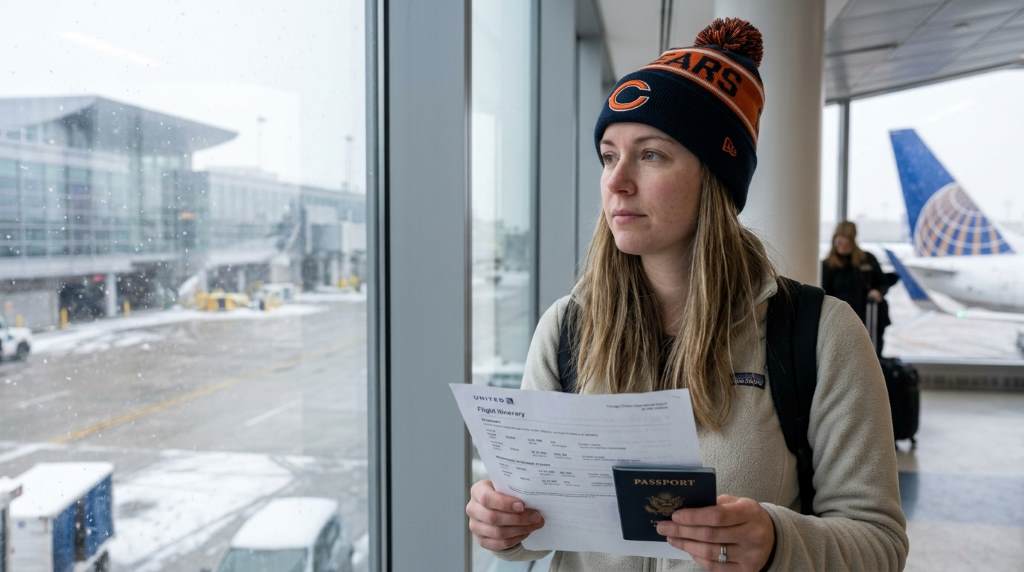
- Check passport/visa requirements.
- 2–4 Weeks Before:
- Pack smart (use a capsule wardrobe).
- Notify your bank of travel plans to avoid card blocks.
- Download offline maps (Google Maps) and translation apps.
- 1 Week Before:
- Confirm reservations (flights, hotels, tours).
- Finish academic tasks (papers, exams) early.
- Pack essentials (passport, meds, chargers).
Pro Tip: Use Trello or Notion to track tasks and share plans with travel buddies.
Step 5: Maximize Your Time With Efficient Itineraries
Short trips demand smart planning. Use these itinerary hacks:
- Prioritize 1–2 “must-do” activities per day.
- Group nearby attractions to minimize transit time.
- Pre-book tickets for popular sites (e.g., Colosseum, Sagrada Família).
Example Itinerary for a 3-Day Trip to Barcelona:
| Day | Morning | Afternoon | Evening |
|---|---|---|---|
| Friday | Arrive, check into hostel | Explore Gothic Quarter | Tapas in El Born |
| Saturday | Sagrada Família (pre-booked) | Park Güell | Flamenco show |
| Sunday | Beach day (Barceloneta) | Picasso Museum | Fly home |
Pro Tip: Wake up early to beat crowds at major attractions.
Step 6: Stay Productive Before and After Your Trip
Travel during school break shouldn’t derail your academics. Use these productivity hacks:
- Before You Go:
- Finish assignments early or negotiate deadlines with professors.
- Download lecture notes to review on the plane/train.
- While Traveling:
- Set aside 1–2 hours daily for light study or emails (e.g., mornings in a café).
- Use travel time (flights, trains) for reading or outlines.
- After You Return:
- Give yourself a buffer day to unpack, rest, and catch up.
- Review notes from missed classes and ask peers for help.
Example: A pre-med student studied for the MCAT during a weekend trip to Chicago by reviewing flashcards on the train.
Step 7: Travel Light and Smart
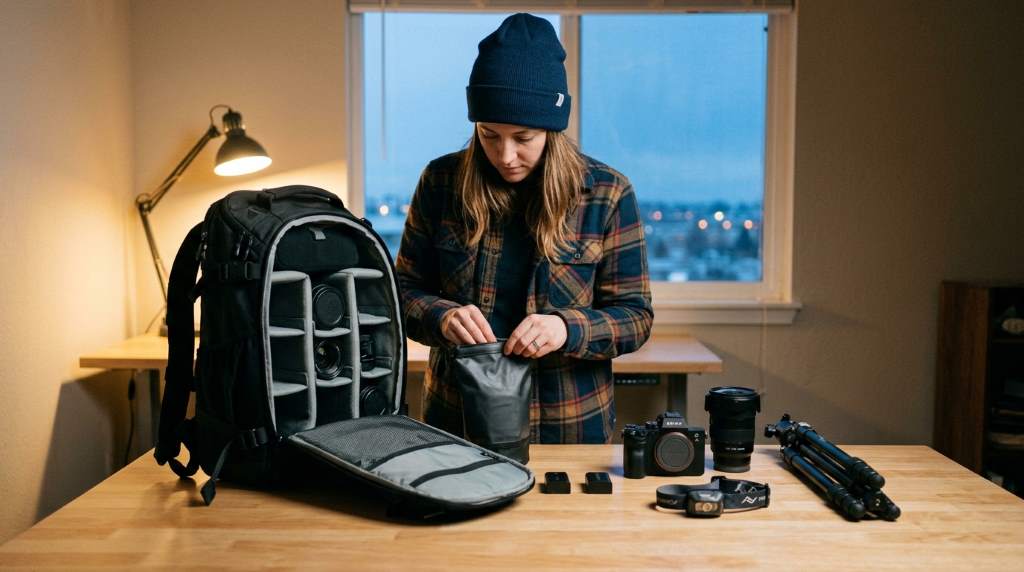
Overpacking wastes time and money. Stick to these packing rules:
- Clothing: 3 tops, 2 bottoms, 1 jacket, 1 pair of versatile shoes.
- Toiletries: Travel-sized items in a TSA-compliant bag.
- Tech: Phone, charger, power bank, earbuds.
- Extras: Reusable water bottle, snacks, and a foldable tote.
Pro Tip: Roll clothes to save space and wear your bulkiest items (e.g., boots, jacket) on the plane.
Step 8: Stay Safe and Healthy
Health and safety are non-negotiable. Follow these student travel tips:
- Health:
- Pack a mini first-aid kit (band-aids, painkillers, antidiarrheal meds).
- Check vaccine requirements (e.g., Yellow Fever for South America).
- Buy travel insurance (e.g., World Nomads).
- Safety:
- Share your itinerary with someone back home.
- Avoid walking alone at night in unfamiliar areas.
- Use a money belt for passports/cash.
Example: A student avoided a pickpocketing incident in Rome by using a cross-body bag with a zipper.
Step 9: Make the Most of Short Trips
Even a weekend getaway can feel epic with these maximization tips:
- Focus on one theme (e.g., food, history, nature).
- Talk to locals for hidden gem recommendations.
- Take photos, but don’t over-document—be present.
Pro Tip: Journal for 10 minutes each night to preserve memories.
Step 10: Reflect and Plan Your Next Adventure
After your trip, debrief and improve:
- What worked? (e.g., hostels, pre-booked tours).
- What didn’t? (e.g., overpacking, poor time management).
- Where to next? Start saving and researching for your next break.
Example: A student who loved her solo trip to Portugal began planning a summer internship in Lisbon.

Common Mistakes to Avoid When Planning Travel During School Break
Even the best-laid plans can go awry. Avoid these pitfalls:
1. Waiting Until the Last Minute
- Flights and hostels get expensive as breaks approach.
- Solution: Book at least 6 weeks in advance.
2. Overestimating Your Budget
- Hidden costs (transport, food, souvenirs) add up.
- Solution: Track expenses with apps like Trail Wallet.
3. Ignoring Academic Responsibilities
- Missing deadlines or falling behind ruins the post-trip glow.
- Solution: Finish work early or negotiate extensions.
4. Choosing Over-Touristed Destinations
- Crowds and high prices drain the fun.
- Solution: Pick second cities (e.g., Lyon over Paris).
5. Not Backing Up Important Documents
- Lost passports or tickets derail trips.
- Solution: Email copies of your passport, itinerary, and reservations to yourself.
6. Skipping Travel Insurance
- Medical emergencies or cancellations can be financially devastating.
- Solution: World Nomads or SafetyWing offer affordable student plans.
7. Overpacking
- Heavy bags slow you down.
- Solution: Stick to a carry-on with a capsule wardrobe.
Expert Tips for Stress-Free Student Travel
1. Use a Travel Rewards Credit Card
- Cards like Chase Sapphire Preferred offer sign-up bonuses and points for flights/hotels.
- Pro Tip: Pay it off monthly to avoid interest.
2. Travel With a Group (But Keep It Small)
- 3–4 people is ideal for shared costs and flexibility.
- Avoid large groups—they slow decisions and increase costs.
3. Learn Basic Local Phrases
- “Hello,” “Thank you,” and “Where is…?” go a long way.
- Use Duolingo or Google Translate for offline practice.
4. Pack a Portable Charger
- Dead phones = missed flights and lost maps.
- Anker PowerCore 10,000mAh is lightweight and reliable.
5. Use Public Transport
- Cheaper and more authentic than taxis.
- Download city transit apps (e.g., Citymapper).
6. Eat Like a Local
- Avoid touristy restaurants. Ask “Where do locals eat?”
- Street food is often safer (high turnover = fresh ingredients).
7. Keep a Digital and Physical Copy of Your Itinerary
- Google Docs + printed backup ensures you’re never stranded.
Reviews: What Student Travelers Say About Breaking Free
Jessica Nabongo, Travel Influencer and Former English Teacher
“My first solo trip during college break—to Costa Rica—taught me more than any classroom. Travel during school break isn’t a luxury; it’s part of your education.”
Mark Manson, Author of The Subtle Art of Not Giving a F
“I backpacked through Europe during college breaks. The skills I learned—budgeting, navigating, adapting—were more valuable than any lecture.”
Shannon O’Donnell, Founder of A Little Adrift
“Students think they can’t afford to travel, but hostels, work exchanges, and budget airlines make it possible. The key is planning ahead and traveling smart.”
Related Topics:
FAQs About Planning Travel During Academic Breaks
1. How can I afford to travel as a student?
- Use student discounts (flights, hostels, attractions).
- Travel off-season (cheaper flights and lodging).
- Work part-time or freelance to save for trips.
2. How do I balance travel with schoolwork?
- Finish assignments early or negotiate deadlines.
- Use travel time (flights, trains) for studying or reading.
3. What’s the best way to find cheap flights?
- Set price alerts on Google Flights or Skyscanner.
- Fly mid-week (Tuesday/Wednesday).
- Use student discount sites like StudentUniverse.
4. How do I stay safe while traveling alone?
- Share your itinerary with someone back home.
- Avoid walking alone at night in unfamiliar areas.
- Stay in well-reviewed hostels or female-only dorms if needed.
5. What should I pack for a short trip?
- Capsule wardrobe (3 tops, 2 bottoms, 1 jacket).
- Travel-sized toiletries.
- Portable charger and universal adapter.
6. How can I make the most of a 3-day trip?
- Pick 1–2 must-see attractions per day.
- Wake up early to avoid crowds.
- Eat at local markets for quick, authentic meals.
7. What’s the best way to meet other travelers?
- Stay in hostels (common areas are great for socializing).
- Join group tours (e.g., free walking tours).
- Use apps like Meetup or Couchsurfing to connect with locals.
Conclusion: Turn Your Breaks Into Adventures
Travel during school break isn’t just a dream—it’s a realistic, rewarding, and life-changing possibility. With smart planning, budget hacks, and a sense of adventure, you can explore the world without sacrificing your academics or your wallet.
The key is to start small, plan ahead, and embrace the journey. Whether it’s a weekend road trip or a summer abroad, every trip teaches you something new—about the world and about yourself.
Your next adventure starts now. Pick one destination from this guide, set a savings goal, and block out your break dates. The world is waiting—and you’re ready to explore it.
Where will your next academic break take you? Share your dream destination in the comments and start planning today!
Featured Image Source

Leave a Reply